Smart Heating Solutions

Why Is My House Heater Not Working?

A house heater that stops working can turn a quiet morning into a cold-room problem fast. The thermostat may show a set temperature, yet the air from the vents feels cool. Sometimes the cause is simple: a clogged filter, incorrect thermostat setting, tripped breaker, or blocked vent. Small clues matter. Check whether the display is blank, the system makes unusual sounds, or airflow has weakened. These details can help narrow the possibilities, but they do not prove what has failed.

A few safe checks can make sense before calling a qualified HVAC technician. Confirm the thermostat is set to heat, inspect the filter, and look for an obviously blocked supply vent. If the unit has a reset switch, follow its manufacturer’s instructions rather than repeatedly restarting it. Stop if you smell gas, see smoke, notice a burning odor, or hear a carbon monoxide alarm. Leave the area and contact the appropriate emergency service or gas provider. Safety comes first. A heater that starts and stops, blows cold air, or fails to warm the home may have an electrical, airflow, ignition, or control issue. The exact cause depends on the equipment. I would not assume every chilly room means a broken furnace; sometimes the system is running, but heat is not reaching the space well. This guide explains common causes, practical checks, and when professional diagnosis is the wiser next step.
Why Is My House Heater Not Working?

Identify the Heater’s Symptoms and Operating Conditions

Start with the clues. Is the heater completely silent, blowing cool air, or switching on and off every few minutes? Note when the problem began and whether it affects every room. A cold bedroom with warm air near the furnace may point to blocked vents or uneven airflow, while no sound at all suggests a different issue. Check the thermostat display, set it to Heat, and compare its target temperature with the room temperature. Replace weak batteries if needed. Small details matter.

Look at the air filter and supply vents. A filter covered in dust can restrict airflow and cause some systems to overheat or shut down. Keep furniture and curtains clear of vents, then observe whether airflow improves. If the heater runs briefly and stops, note the timing; repeated resets can hide a fault, so avoid cycling the power again and again. A tripped breaker may be checked once, but if it trips again, leave it off and contact a qualified technician. If you smell gas, leave the building and call the gas utility or emergency services from outside. Don’t assume every symptom has one cause; weather, system type, and recent maintenance can change what the clues mean.

Check the Thermostat, Settings, and Airflow

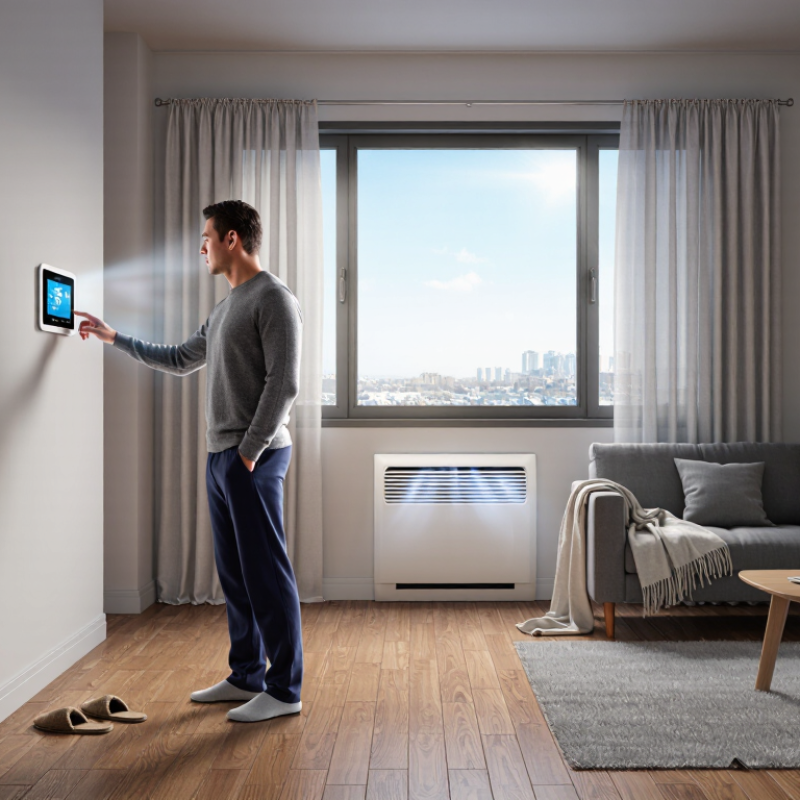
A heater that suddenly stops may have a simple thermostat or airflow problem. Set the thermostat to “Heat” and raise its target temperature several degrees above the room reading. Check that the display is on and the schedule has not switched to an energy-saving setting. If the screen is blank, check its batteries or the home’s power supply. Small setting changes are easy to miss.

Next, inspect the air filter and return-air grilles. A clogged filter or a rug covering a vent can restrict airflow, leaving rooms chilly while the heater runs. The U.S. Department of Energy’s Energy Saver guidance says setting a thermostat back 7–10°F for eight hours daily may save up to 10% a year on heating and cooling. Savings vary by home and system. These checks won’t explain every fault, but they can reveal common issues before a service call.

Tips: Replace a visibly dirty filter with the correct size, and keep vents clear. Try one thermostat adjustment at a time, then allow the system to respond. Still no heat, or noticing unusual smells or repeated shutdowns? Turn the system off and contact a qualified heating professional.

Inspect Power, Fuel, and Circuit Breakers

When a heater suddenly goes quiet, check the simple things before opening any panels. Start with the basics. Confirm the thermostat is set to “heat,” raise its setting a few degrees, and replace weak batteries if needed. Check the furnace switch and nearby breaker. If the breaker has tripped, reset it once; repeated trips suggest an electrical fault, not a reason to keep trying. The U.S. Department of Energy’s Energy Saver guidance recommends checking thermostat settings and power before assuming equipment failure. A small detail matters: some heaters have a wall switch that looks like an ordinary light switch.

Next, consider the fuel supply. For a gas heater, see whether other gas appliances work, but leave the area if you smell gas. Don’t operate switches; contact your gas utility or emergency services from outside. For propane or oil systems, check the tank gauge without opening equipment.

The U.S. Energy Information Administration’s 2020 Residential Energy Consumption Survey identifies natural gas as the most common primary heating fuel in U.S. homes, so fuel interruptions affect many households. Still, a working stove does not prove the heater’s fuel line is clear. NFPA’s 2016–2020 Home Heating Fires report counted an average of about 44,210 home heating fires annually. Keep vents clear, and don’t bypass safety controls.

I once overlooked a tripped breaker behind stored boxes. It was an easy miss. If the unit trips again, smells unusual, or stays cold, arrange a qualified technician’s inspection.

Look for Common Heating System Faults

Why Is My House Heater Not Working?

Look for Common Heating System Faults

Start with the thermostat. Check that it is set to “heat,” the temperature is above the room reading, and its batteries still work. A blank display can be a simple clue. Also check the electrical panel for a tripped breaker, but do not keep resetting it if it trips again.

Restricted airflow is another common fault. A dusty filter can make the system run weakly or shut down to prevent overheating. Replace it if it looks clogged, and make sure supply vents are open and unobstructed. If the fan runs but the air stays cold, the issue may involve ignition, a pilot assembly, or the fuel supply. Those parts need careful inspection. Do not remove panels or attempt repairs involving gas or wiring.

Notice what the system does, not just what it fails to do. Does it click, hum, start briefly, or produce a burning smell? A brief dusty odor after months of disuse may fade, but a persistent burning or gas-like smell calls for leaving the area and contacting qualified help. Some systems also stop when a condensate drain is blocked. The clues help, but they do not always identify one clear cause. If basic checks do not solve it, note the symptoms and call a licensed heating technician.

Determine When to Contact a Heating Technician

If your heater stops working, check the thermostat, power switch, and air filter before arranging a visit. Set the thermostat above room temperature and confirm it uses heat mode. A clogged filter can restrict airflow, while a tripped breaker may interrupt power. Reset a breaker only once; if it trips again, call a heating technician. Small checks help. But don’t open equipment panels or handle wiring.

Contact a technician if the house stays cold after these checks, the heater repeatedly shuts off, or airflow remains weak. A technician can inspect the ignition, controls, blower, and venting with proper tools. Rattling, scraping, or booming sounds also deserve attention, especially if they are new. Make a note of when the noise occurs. It can be hard to describe later.

Treat certain signs as urgent. If you smell gas, hear a carbon monoxide alarm, or notice soot near the heater, leave the home and call emergency services or your fuel provider from outside. Don’t operate switches or use flames. Water around heating equipment, burning smells, or unusually hot surfaces also call for prompt professional advice. A chilly room is frustrating; an unsafe repair attempt can make matters worse.

Why Is My House Heater Not Working? — Determine When to Contact a Heating Technician
What You Notice Possible Cause Safe Check You Can Try When to Contact a Technician
The heater does not turn on The thermostat may be off, set incorrectly, or have depleted batteries; the system may also have lost power. Set the thermostat to Heat and raise the temperature above the current room temperature. Check that the system switch and circuit breaker are on. If a breaker trips again after one reset, leave it off. Contact a technician if the system still will not start, the breaker trips repeatedly, or you notice damaged wiring or a burning smell.
The heater runs, but the house stays cold A dirty air filter, blocked supply vents, or a system problem may be restricting airflow or heat output. Check the filter and replace it if it is dirty, following the system instructions. Make sure supply vents and return grilles are not blocked. Arrange service if airflow remains weak, the heater cannot maintain the set temperature, or the problem returns soon after a filter change.
The heater starts and stops frequently Restricted airflow, thermostat placement, or a control or equipment fault may cause short cycling. Check for a visibly dirty filter and ensure the thermostat is not near a heat source or in direct sunlight. Keep vents open and unobstructed. Contact a technician if frequent cycling continues after these checks or the equipment makes unusual noises.
The heater blows cool or lukewarm air The system may still be warming up, the thermostat settings may be incorrect, or the heating equipment may need repair. Confirm the thermostat is set to Heat and check the temperature setting. Allow a few minutes for the system to begin producing warm air. Request service if the air remains cool, the system repeatedly shuts down, or you see an error indicator described in the system manual.
You hear banging, grinding, or persistent squealing Loose parts, a motor or blower issue, or expanding and contracting ductwork may create unusual sounds. Note when the sound occurs and check that accessible vents are not blocked. Do not remove equipment panels or reach into the system. Contact a technician for persistent or worsening noises, especially grinding, metal-on-metal sounds, or noises accompanied by poor heating.
The pilot light will not stay lit or the system shows an ignition fault A gas furnace may have an ignition, sensor, or fuel-supply issue. Follow only the lighting or reset instructions in the equipment manual. Do not repeatedly attempt to relight the pilot or bypass safety controls. Contact a qualified heating technician if the pilot will not remain lit or an ignition fault persists. If you smell gas, leave immediately and call the gas utility or emergency services from a safe location.
A carbon monoxide alarm sounds Carbon monoxide may be present; it cannot be detected by smell or sight. Leave the building immediately and get everyone outside. Do not re-enter to investigate or turn equipment on or off. Call emergency services from outside. Have the heating system inspected by a qualified professional before using it again.
Water is leaking around the heating equipment A drain, condensate line, humidifier, or nearby plumbing connection may be leaking. Keep clear of electrical components and note where the water appears. If safe, turn off the system using its normal controls. Contact a technician if the leak continues, reaches electrical components, or comes from inside the equipment. For a major leak, seek urgent help.