Smart Heating Solutions
A space heater is a compact appliance designed to warm one room or a limited area. Unlike a central heating system, it works close to the people who need warmth. You may feel its heat beside a desk, near a sofa, or across a chilly bedroom floor.
Most models use electricity to heat a metal coil or ceramic element. A fan then moves air across the hot surface and pushes warm air outward. Some oil-filled radiators heat fluid inside sealed metal sections, creating steady radiant warmth without a strong airflow. Infrared models work differently. They warm nearby objects and people directly, rather than heating all the air first.
The process sounds simple. Safety is not.
John Drengenberg, a former consumer-safety director at UL, has emphasized a widely repeated warning: “Keep anything that can burn at least three feet away from heating equipment.” That advice matters when curtains brush the grille, clothing rests on a chair, or a heater stands on a soft rug. A space heater should sit on a stable, level surface with its vents uncovered. It also needs enough clearance for heat to escape.
Thermostats can reduce energy waste by cycling the heater on and off. Tip-over switches and overheat protection add another layer of defense, but they are not perfect. I used to think a small heater was automatically harmless. That assumption was wrong. Understanding how heat moves helps explain both its comfort and its risks.
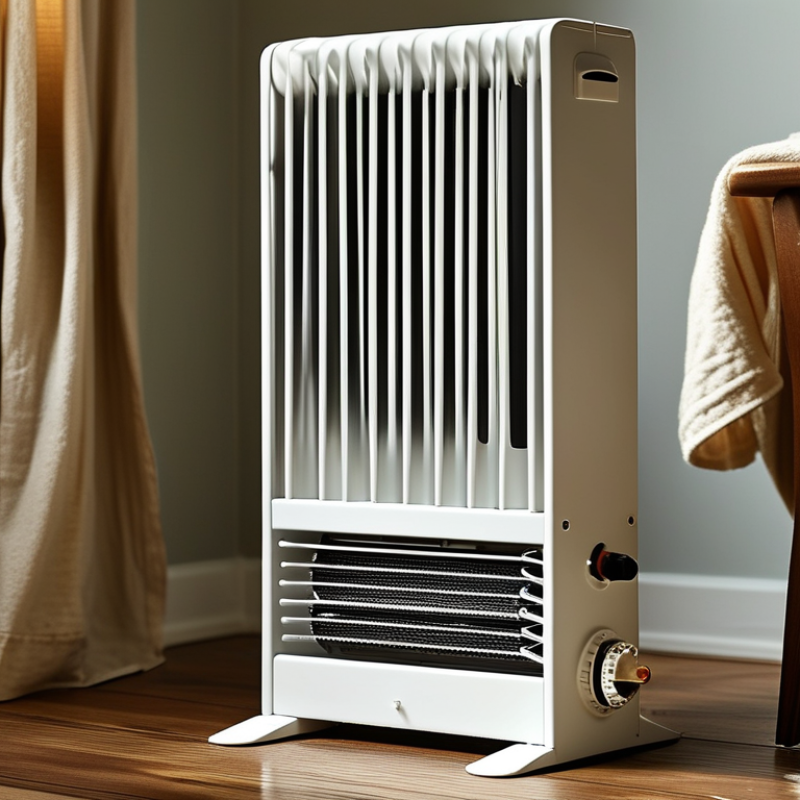
A space heater is a compact appliance designed to warm one room or a small, occupied area. Unlike central heating, it does not heat an entire building through ducts or pipes. Most electric models use resistance heating. Electricity passes through a high-resistance element, producing heat. A fan may move air across that element, while infrared models transfer heat directly toward nearby people and surfaces. The U.S. Department of Energy describes these devices as local heating equipment, useful when occupants need warmth in only one space.
The details matter. A typical 1,500-watt heater can draw substantial electricity during long operation, especially in a poorly insulated room. It may feel efficient, but “small” does not mean “low energy.” The U.S. Energy Information Administration reports that space heating remains one of the largest energy uses in American homes. Safety also deserves attention. The U.S. Consumer Product Safety Commission estimates that portable heaters are linked to about 1,700 fires annually, with roughly 70 deaths and 160 injuries. Keep the unit on a stable, nonflammable surface, leave clearance around it, and avoid using damaged cords. Never place clothing nearby. That mistake seems harmless. It is not. A space heater can provide focused comfort, yet its convenience encourages careless placement and continuous use. DOE guidance also supports choosing equipment with appropriate controls, but labels alone cannot replace regular inspection.
A space heater is a compact appliance that warms one room or a small area. It converts electrical energy into heat, then releases that heat through a surface, coil, or fan. Unlike central heating, it works locally and can warm a desk, bedroom, or reading corner without heating the entire home. Its small size is convenient, but it also demands careful placement.
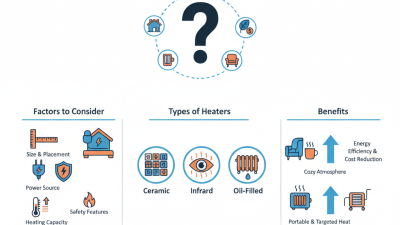
Convection heaters warm the air gradually. Some use natural airflow, while fan-forced models circulate heated air more quickly. Ceramic heaters are a common fan-forced design; a ceramic element heats up, and the fan pushes air across it. Radiant heaters work differently. They send infrared energy toward people and nearby objects, creating a warm feeling almost immediately. Oil-filled radiators use electricity to heat sealed oil inside metal columns. The oil stores heat and releases it slowly, even after the element cycles off.
Each type has trade-offs. Radiant heat suits a person sitting still, but it may leave distant corners cool. Fan heaters warm small rooms faster, though their airflow can feel noisy or dry. Oil-filled units are quieter, but they usually respond more slowly. When choosing one, I check the room size, thermostat accuracy, tip-over protection, and overheat shutoff. Keep clear space around the heater, use a wall outlet, and avoid wet locations. A higher wattage does not automatically mean better comfort.
A space heater produces heat by converting electricity or fuel into thermal energy. Most portable electric models use a resistance element, such as a metal coil or ceramic component. When electricity passes through it, resistance creates heat. The U.S. Department of Energy explains that electric resistance heaters convert nearly 100% of incoming electricity into heat at the point of use. However, this figure excludes energy lost during power generation and transmission.
Heat must still reach people across the room. A fan-assisted heater pushes air over the hot element and releases warmer air through its grille. Convection then carries that air upward, while cooler air moves toward the heater. Radiant models work differently. Their hot surfaces emit infrared energy, warming nearby objects, skin, and furniture directly. The U.S. Energy Information Administration’s 2020 Residential Energy Consumption Survey reported that space heating represented 42% of residential energy use, showing why distribution matters as much as output.
Real rooms are less predictable. A warm face and cold feet can occur when air rises too quickly. A floor-level thermometer may reveal a large temperature difference. Thermostats also cycle on and off, rather than maintaining perfect warmth. That assumption can fail near doors or poorly insulated windows. The NFPA’s Home Heating Fires report recorded about 48,530 home heating fires annually in the United States from 2016 to 2020, so airflow, clearance, and heater placement affect both comfort and safety.
A space heater warms a limited area by converting electricity into heat, usually through a resistance element and a fan. The U.S. Department of Energy notes that electric resistance heaters convert nearly all consumed electricity into heat at the point of use. However, the final cost still depends on wattage, operating hours, room insulation, and thermostat control.
Safety features matter more than flashy settings. The U.S. Consumer Product Safety Commission reported an annual average of about 1,700 portable-heater-related fires, 80 deaths, and 160 injuries during 2017–2019. A tip-over switch should cut power when the heater falls. Overheat protection should respond before the casing becomes dangerously hot. A thermostat can prevent constant full-power operation, while a timer reduces overnight use. Easy to skip.
Look for a heater with a clearly marked wattage, stable feet, and a plug designed for a wall outlet. Keep at least three feet of space around it; curtains and bedding can ignite or block airflow. I also check the cord for warmth after several minutes, although this simple habit is not a substitute for certified testing. Some “energy-saving” modes may reduce output rather than improve true efficiency. A smaller, well-matched heater with accurate temperature control is often more practical than a powerful unit used carelessly. The label helps, but real-world behavior decides the result.
| Category | Typical Information | How It Works | Safety or Efficiency Benefit |
|---|---|---|---|
| Basic Definition | A space heater is a portable appliance designed to heat a limited indoor area rather than an entire building. | It converts electrical energy or fuel energy into heat and distributes that heat through radiation, convection, or forced airflow. | Heating only an occupied room can reduce unnecessary energy use compared with heating a whole building. |
| Electrical Heating Input | Many household electric heaters are rated at approximately 750 to 1,500 watts. | An electrical resistance element becomes hot when current passes through it. | Using a lower heat setting can reduce electricity consumption when full output is not needed. |
| Convection Heating | Common in ceramic and oil-filled radiator designs. | Air is warmed as it passes over a heated surface. Warm air rises while cooler air moves downward, creating circulation. | Provides relatively even room heating, although the room may take longer to warm initially. |
| Radiant Heating | Often used for personal or close-range heating. | Infrared energy warms people and nearby objects directly instead of relying mainly on air movement. | Can feel effective in a small occupied area without heating all the air in the room. |
| Fan-Assisted Heating | Uses an integrated fan to distribute heated air. | The fan moves air across the heating element and circulates it around the room. | Typically warms a room more quickly, but the fan uses additional electricity and can produce operating noise. |
| Adjustable Thermostat | Allows the user to select a target temperature or maintain a preferred comfort level. | The heater cycles on and off as the surrounding temperature changes. | Helps prevent continuous operation and may reduce energy waste caused by overheating. |
| Multiple Heat Settings | Common settings include low, medium, and high output. | The control changes the electrical power supplied to the heating system. | Lets users match heat output to room conditions instead of always operating at maximum power. |
| Tip-Over Protection | A safety switch that detects when the heater is no longer upright. | The switch automatically disconnects power if the unit falls or is placed at an unsafe angle. | Reduces the risk of overheating nearby surfaces when the heater is accidentally knocked over. |
| Overheat Protection | A thermal sensor or cutoff mechanism designed to stop operation at an excessive internal temperature. | The safety circuit interrupts power when the heater becomes abnormally hot. | Helps limit fire risk caused by blocked airflow, component failure, or abnormal operating conditions. |
| Safety Certification | A heater should carry a certification mark from a recognized testing organization appropriate to its market. | Testing evaluates construction, electrical safety, controls, and other applicable requirements. | Provides evidence that the product has undergone independent safety assessment; users should still follow the operating instructions. |
| Grounded or Polarized Plug | Electrical designs may use a grounded three-prong plug or a polarized two-prong plug, depending on the product. | The plug and household circuit provide the intended path for electrical current and fault protection. | Using the correct outlet improves electrical safety. A heater should not be operated with a damaged plug or cord. |
| Direct Wall Outlet Use | High-wattage heaters should generally be connected directly to a suitable wall outlet. | Direct connection avoids adding extra connections through extension cords or power strips. | Reduces the chance of overheating caused by undersized, damaged, or overloaded accessories. |
| Clearance Around the Heater | Keep curtains, bedding, furniture, clothing, and other combustible materials away from the heater. | Open space allows heat to dissipate and air to circulate around the appliance. | Reduces the risk of ignition, blocked airflow, and heat damage to nearby objects. |
| Stable Placement | Place the heater on a firm, level, nonflammable surface where it cannot be easily tipped over. | A stable base keeps the heating element and airflow path in their intended positions. | Improves tip-over resistance and helps maintain safe ventilation during operation. |
| Timer or Automatic Shutoff | Allows the heater to turn off after a selected period or under specified conditions. | An electronic control or mechanical timer interrupts power automatically. | Can prevent unnecessary operation when the room is empty or when the user forgets to switch the heater off. |
| Energy Use Calculation | A 1,500-watt heater uses approximately 1.5 kilowatt-hours for every hour it runs continuously at full output. | Energy use is calculated as power in kilowatts multiplied by operating time in hours. | Comparing settings and operating time helps users estimate consumption and manage heating costs. |
| Humidity and Ventilation | Electric resistance heaters generally do not add moisture to indoor air, while combustion heaters may produce combustion by-products. | Electric models heat air without burning fuel. Fuel-burning models require proper ventilation and safety controls. | Electric heaters avoid indoor combustion emissions, while fuel-burning units require careful ventilation and carbon monoxide precautions. |
| Routine Maintenance | Inspect the cord, plug, housing, air intake, and outlet openings before use. | Removing dust and keeping airflow paths clear helps the heater operate as designed. | Can reduce overheating risk and help maintain efficient heat distribution. |
| Recommended Use | Use a space heater for supplemental, short-term heating in an occupied area. | The appliance provides localized heat while the main heating system can remain at a lower setting. | Supports focused comfort, but the heater should be switched off when unattended unless the instructions specifically permit otherwise. |
Safety reminder: Always follow the manufacturer’s instructions, keep the heater away from water and combustible materials, maintain clear airflow, and never use a damaged heater, cord, plug, or outlet.
A space heater warms a small area by converting electricity into heat. Use it as a temporary supplement, not as an unattended household heating system. The U.S. Consumer Product Safety Commission reports that portable heaters were linked to about 1,700 fires and 80 deaths annually from 2017 to 2019. That figure makes everyday placement important.
Set the heater on a firm, level floor, away from curtains, bedding, paper, and furniture. Keep at least three feet of clearance around it. Plug it directly into a wall outlet. Extension cords and power strips can overheat under sustained loads. Turn the heater off before sleeping or leaving the room. A timer helps, but it should not replace supervision. Keep children and pets away from the hot grille.
Maintenance should begin with a cool, unplugged unit. Remove dust from the intake and outlet using a soft brush or vacuum attachment. Inspect the cord, plug, casing, and switches for melting, fraying, or unusual smells. Stop using it when anything looks damaged. The National Fire Protection Association recorded an estimated 44,210 U.S. home heating fires annually between 2016 and 2020, causing about 480 deaths and 1,370 injuries. The weak point is often mundane: a blocked vent or forgotten heater. I would not ignore that risk. Keep it boring. Follow the manual’s cleaning instructions, even when the heater appears to work normally.