What Are Metal Shingles and Are They Worth It?
Metal Shingles are changing how homeowners think about durability, appearance, and long-term roof value. Their stamped steel, aluminum, or coated metal surfaces can resemble slate, wood, or traditional asphalt shingles. Up close, the difference is often visible in the crisp edges and interlocking seams. The bigger question remains practical: are they worth the higher purchase price?
The U.S. Department of Energy reports that reflective roofing can lower roof temperatures by up to 50°F compared with conventional dark roofs. ENERGY STAR also notes that reflective roof products may reduce peak cooling demand by 10% to 15% in suitable climates. These figures do not guarantee equal savings for every house. Insulation, ventilation, roof color, installation quality, and local weather all matter. That detail is easy to overlook.
Todd Miller, president of Isaiah Industries and a recognized metal-roofing specialist, has emphasized, “Metal roofing is not a product; it is a system.” His point is important. A premium panel cannot correct poor flashing, weak underlayment, or careless fastening. The Metal Construction Association also identifies metal roofing as a durable and recyclable building material, although recycling rates depend on local collection systems.
This guide examines cost, lifespan, maintenance, weather performance, noise, energy efficiency, and resale appeal. It will also question common marketing claims. Metal Shingles can last for decades, but “lifetime” is not a promise without conditions. For some homes, they are a smart investment. For others, the upfront cost may be difficult to justify.
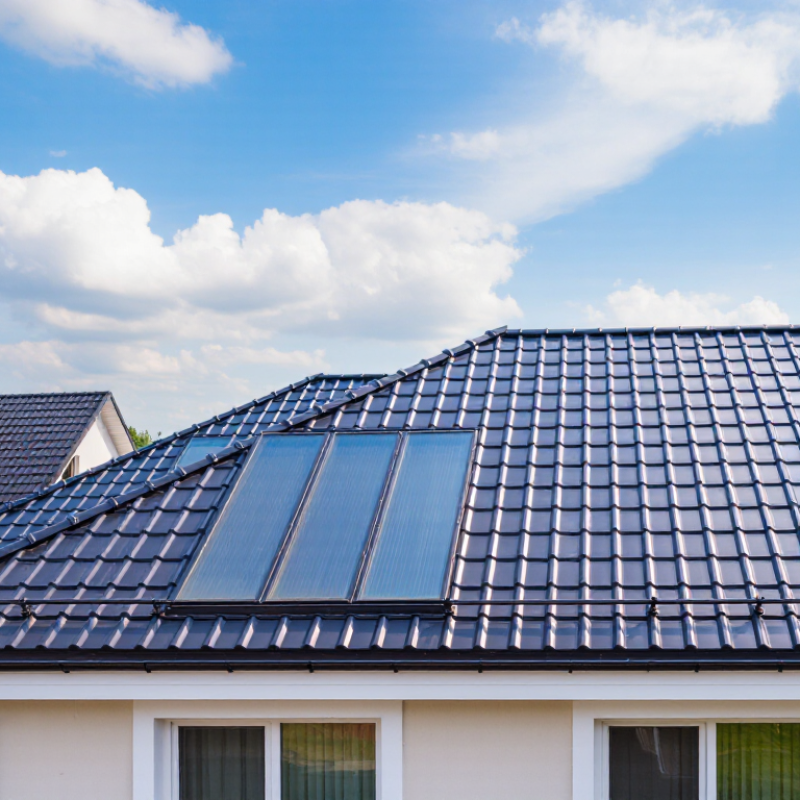
What Are Metal Shingles? Materials, Profiles, and Key Components
Metal shingles are small, overlapping roof units made from formed metal sheets. Common materials include galvanized steel, aluminum, zinc, and copper. Steel offers strength and cost control, while aluminum suits coastal areas because it resists corrosion. Copper develops a natural patina, but its price can be difficult to justify. Material choice depends on climate, roof pitch, salt exposure, and installer experience.
Profiles create the roof’s visible texture and drainage path. Interlocking panels can resemble slate, wood shake, or traditional shingles. Some systems use textured mineral granules for appearance and added surface protection. Key components include underlayment, concealed clips, corrosion-resistant fasteners, valley liners, eave trim, ridge caps, and step flashing. The NRCA Roofing Manual emphasizes that water management depends heavily on properly detailed flashings, not just the panel material. A beautiful profile cannot repair poor detailing.
Energy performance also deserves careful attention. The International Energy Agency’s 2023 Buildings report states that buildings consume about 30% of global final energy. Reflective metal finishes may reduce roof heat gain, especially in sunny climates. However, color, insulation, ventilation, and local weather can change the result. I would not treat one reflectance figure as a guarantee. Installation errors remain common. A loose fastener, blocked valley, or badly cut flashing can cause trouble years before the metal itself deteriorates.
How Metal Shingles Are Manufactured, Coated, and Installed
Metal shingles begin as flat sheets of steel, aluminum, or copper. Modern factories feed these sheets through rollers and stamping dies. The machines create interlocking profiles that resemble traditional wood or slate shingles. Each panel is cut to controlled dimensions, though small variations can still occur.
Before shipping, steel shingles usually receive a corrosion-resistant metallic layer. A primer and colored topcoat follow. Some products use textured mineral granules for a heavier, slate-like appearance. Coating thickness matters because scratches can expose the metal beneath. Quality inspections commonly check adhesion, dimensions, edge coverage, and color consistency. The process is precise, but it is not flawless.
Installation starts with a dry, stable roof deck and the correct underlayment. Workers align the first course carefully, because a small error can spread across the entire slope. Shingles may use concealed clips, exposed fasteners, or interlocking edges. Valleys, ridges, chimneys, and roof penetrations require compatible flashing. These areas deserve more attention than the broad roof field. Installers also allow for thermal movement and maintain ventilation paths. Local building requirements and the product’s tested installation details should guide every decision. I have seen attractive metal roofs perform poorly when rushed around vents or fasteners. Sometimes the problem is not the material. It is the installation.
What Are Metal Shingles and Are They Worth It?
Metal shingles are interlocking roof panels commonly made from steel, aluminum, zinc, or copper. They are formed, coated when needed, and mechanically fastened or clipped to the roof deck. The chart shows typical service-life ranges for major metal roofing materials.
Typical service life depends on material thickness, coating quality, installation, ventilation, climate, and maintenance. Factory-applied metallic or painted coatings help protect steel from corrosion, while aluminum, zinc, and copper generally rely on their natural corrosion resistance or patina.
Energy Performance: Reflective Coatings and ENERGY STAR Criteria
Metal shingles can perform well in hot climates when their coatings reflect sunlight instead of absorbing it. The key measurements are solar reflectance and thermal emittance. Reflectance shows how much sunlight the surface rejects. Emittance shows how efficiently it releases stored heat.
The ENERGY STAR Roof Product Specification sets different reflectance thresholds for steep-slope and low-slope roofs. For steep-slope products, the requirement is generally 0.25 initial solar reflectance and 0.15 after aging. Low-slope products face higher thresholds, including 0.65 initial reflectance and 0.50 aged reflectance. These figures matter because coatings can weather, collect dust, or lose performance. A bright finish is not automatically a certified cool roof.
The U.S. Department of Energy reports that reflective roofs can remain up to 50°F cooler than conventional dark roofs under strong sunlight. Research from Lawrence Berkeley National Laboratory also links cool-roof surfaces with meaningful reductions in summer cooling demand, especially in warm regions. Yet savings vary with insulation, roof orientation, ventilation, and local weather. Winter heating can increase slightly in colder climates. That trade-off is easy to overlook. I would request aged reflectance data, not only laboratory photos, before choosing metal shingles. Real roofs face pollen, grit, and imperfect installation.
Are Metal Shingles Worth It? Costs, Maintenance, Recycling, and ROI
Metal shingles can cost more upfront than asphalt, but their long service life changes the calculation. The 2024 Cost vs. Value Report places a standing-seam metal roof replacement at about $49,928 nationally. Its estimated resale value is $24,034, representing a 48.1% cost recovery. These figures are averages, not promises. Local labor, roof complexity, insulation, and underlayment can shift the final bill sharply.
Maintenance is usually practical rather than demanding. Inspect exposed fasteners, flashing, valleys, and sealants after severe storms. Leaves trapped around roof penetrations can hold moisture against the coating. Metal Construction Association guidance commonly places metal roofing service life around 40 to 70 years, depending on material and installation quality. That range sounds impressive. Poor workmanship can still shorten it. I would request written details about corrosion protection and repair procedures before signing a contract.
Recycling improves the long-term value story. The Metal Construction Association reports that many metal roofing systems contain recycled content and can be fully recyclable after removal. Energy savings are less predictable. U.S. Department of Energy guidance notes that reflective roofs can reduce heat gain, especially in warm climates, but color, ventilation, insulation, and attic design matter. A cool-coated metal shingle may lower summer cooling demand, yet it will not fix a poorly insulated attic. ROI is therefore strongest when durability, reduced maintenance, resale appeal, and climate-appropriate energy performance work together.