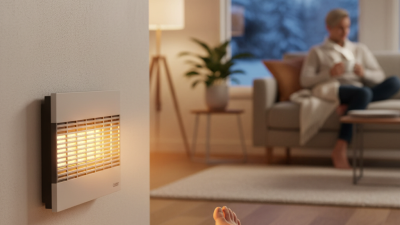
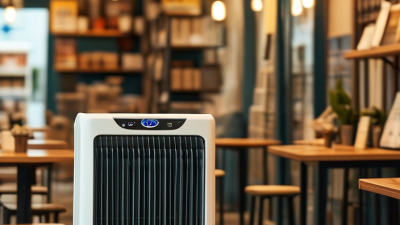
How to Choose the Best House Heater for Your Home?
Choosing the best house heater requires more than comparing price tags. Your climate, insulation, room size, and energy costs all matter. A heater that feels powerful in a showroom may waste energy in a drafty living room.
The U.S. Department of Energy reports that modern heat pumps can deliver two to four times more heating energy than the electricity they consume. The International Energy Agency also identifies heat pumps as a major path toward lower household emissions. However, performance depends on correct sizing and installation. An oversized furnace may cycle frequently, creating uneven temperatures and unnecessary wear. An undersized system may run constantly on a freezing night.
HVAC engineer Allison A. Bailes III describes a heat pump simply: “A heat pump is an air conditioner that can run in reverse.” That detail matters. It explains why one system can provide heating and cooling throughout the year. For gas furnaces, compare AFUE ratings. For heat pumps, examine HSPF2, SEER2, and low-temperature performance. Check the manufacturer’s data, not only the label.
Noise also deserves attention. A quiet bedroom can reveal a loud outdoor compressor. Ask about sound ratings and installation distance. Inspect filters, vents, and thermostat placement before deciding. These small details affect daily comfort.
My first instinct might be choosing the highest efficiency rating. That is not always wise. A cheaper, well-installed unit may outperform an expensive system installed poorly. Review local utility rebates, repair access, warranty terms, and future fuel prices. The best house heater is the one that fits your home, budget, climate, and maintenance habits.
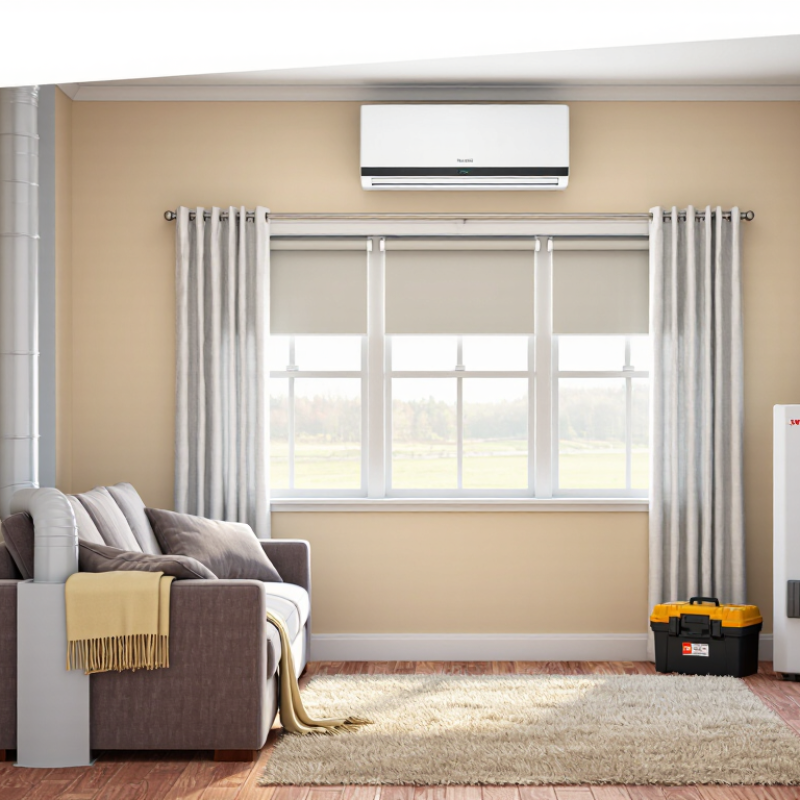
Define Your Home’s Heating Needs and Comfort Goals
Choosing a house heater starts with your comfort needs, not the appliance’s appearance. Consider your local winter temperature, room size, insulation, ceiling height, and daily heating schedule. A drafty corner room needs more attention than a well-insulated bedroom.
The U.S. Energy Information Administration’s 2020 Residential Energy Consumption Survey reported that space heating used 42% of household energy. That figure makes sizing important. An undersized heater may run constantly, while an oversized unit can create hot and cold cycles. Neither feels comfortable. Check whether you need whole-home heating or targeted warmth for one room. Also consider allergies, noise, humidity, and safe clearance around furniture. In practice, people often focus on maximum heat and forget morning comfort near cold windows.
Tips: Measure the room first. Inspect doors and windows. Ask a qualified technician for a heat-load calculation. Set realistic comfort goals, such as 20–21°C in occupied rooms. Keep sleeping areas slightly cooler if that suits you. Review local electricity or fuel costs, since operating expenses can change the best choice. The International Energy Agency has reported strong global growth in heat-pump adoption, but performance still depends on climate, installation quality, and maintenance. That part is easy to underestimate. A heater can be efficient on paper and disappointing in a poorly sealed home. Consider a programmable control, but do not assume automation will fix weak insulation or incorrect sizing.
Compare Heater Types, Fuel Sources, and Heating Methods
Choosing a house heater starts with the heating method, not the appearance. Forced-air systems warm rooms quickly through ducts, but they can stir dust and create uneven temperatures. Radiant heaters warm floors, walls, or nearby objects, so your feet may feel comfortable before the whole room does. Convection heaters are quieter, though they often respond more slowly.
Fuel sources change running costs, maintenance, and installation needs. Electricity is widely available and simple to use, while resistance heaters can consume substantial power during long winters. Heat pumps also use electricity, but they move heat instead of creating it, which can improve efficiency in moderate climates. Gas, oil, and wood may provide strong heat, yet they require ventilation, storage, and careful safety checks. A qualified technician should inspect combustion equipment and flues.
Measure the room and inspect its insulation first. A small heater in a drafty room will work constantly. An oversized unit may cycle repeatedly and waste energy. Check the local climate, electricity rates, fuel access, and noise tolerance. Place a heater away from curtains, furniture, and wet areas. Install carbon monoxide alarms where combustion appliances operate. My first instinct might be choosing the fastest heater, but speed is not the same as comfort. A slower radiant system can feel better beside a cold window, while a heat pump may struggle during severe cold. There is no perfect option.
Check Safety Features, Installation Needs, and Maintenance Requirements
How to Choose the Best House Heater for Your Home?
A heater should warm your rooms without creating hidden risks. Check for automatic shutoff, overheat protection, and a stable tip-over switch. These features matter most in homes with children, pets, or narrow walkways. Keep flammable items, such as curtains and blankets, well away from the heating area. A clear safety label should explain electrical ratings and operating limits.
Installation needs can change your decision. Portable electric heaters usually need a properly grounded wall outlet, not an extension cord. Fixed systems may require ventilation, wiring changes, or professional gas connections. Ask a qualified installer to inspect the room, airflow, and local building requirements. Never block vents or place a heater beside stored boxes. Small details matter.
Maintenance is easy to underestimate. Dust can collect behind grilles and reduce airflow, so clean them when the unit is cool. Check cords for cracks, loose plugs, or warm spots. Replace damaged parts through an approved service professional. I would not rely only on a low price or attractive design. No checklist is perfect. Even a quiet heater needs regular attention. Keep the manual nearby, record service dates, and stop using the unit if it smells burnt or behaves unusually.
How to Choose the Best House Heater for Your Home?
Compare typical maintenance intervals before choosing a heating system. Shorter intervals may mean more frequent homeowner checks, while combustion systems usually require regular professional servicing.
Safety features
Check carbon-monoxide protection, overheat shutoffs, electrical disconnects, safe clearances, and accessible emergency controls.
Installation needs
Confirm ventilation, fuel or electrical capacity, drainage, ductwork, outdoor-unit clearance, and compliance with local building codes.
Maintenance planning
Filter intervals are typical maximum periods. Actual timing depends on dust levels, pets, occupancy, equipment condition, and manufacturer instructions.
The chart shows common residential guidance: air filters are commonly checked or replaced every three months, while professional heating-system inspections are commonly scheduled every twelve months. Boilers and radiant systems generally do not use a forced-air filter.
Select the Right Size, Budget, and Controls for Your Space
Choosing a house heater starts with room size, insulation, and local winter temperatures. Measure the heated area and check ceiling height, window quality, and drafts. An oversized heater may cycle too often, creating uneven warmth and wasted energy. An undersized unit may run constantly on cold mornings. The U.S. Department of Energy recommends professional heat-loss calculations instead of relying only on square-foot estimates.
Budget for the full operating life, not just the purchase price. Installation, electricity, fuel, maintenance, and replacement parts can change the real cost. The DOE reports that heat pumps can deliver two to four times more heating energy than the electricity they consume, under suitable conditions. That figure is useful, but it is not universal. Severe cold, poor insulation, and high electricity rates may reduce savings. I would compare three-year running costs before deciding.
Controls matter in daily life. A programmable or smart thermostat can reduce waste when rooms are empty. According to the DOE, lowering the thermostat by 7–10°F for eight hours may save up to 10% annually on heating and cooling. Place the sensor away from sunlight, kitchens, and drafty doors. Small details matter. I once trusted a convenient wall location and got misleading readings. Comfort improved only after moving the sensor and sealing a nearby window. EPA guidance also emphasizes regular maintenance and proper installation for efficient performance.