What Is a Folding Lounge Chair and What Types Are There?
A Folding Lounge Chair is a portable seat designed to recline or support a relaxed, stretched-out position, then fold for storage or transport. It differs from a basic folding chair through its longer seat, adjustable back, or leg rest. The exact design varies. Some models sit low to the ground, while others raise the user higher and include padded armrests. A folded chair may fit beside a car trunk, but its weight and packed size still matter.
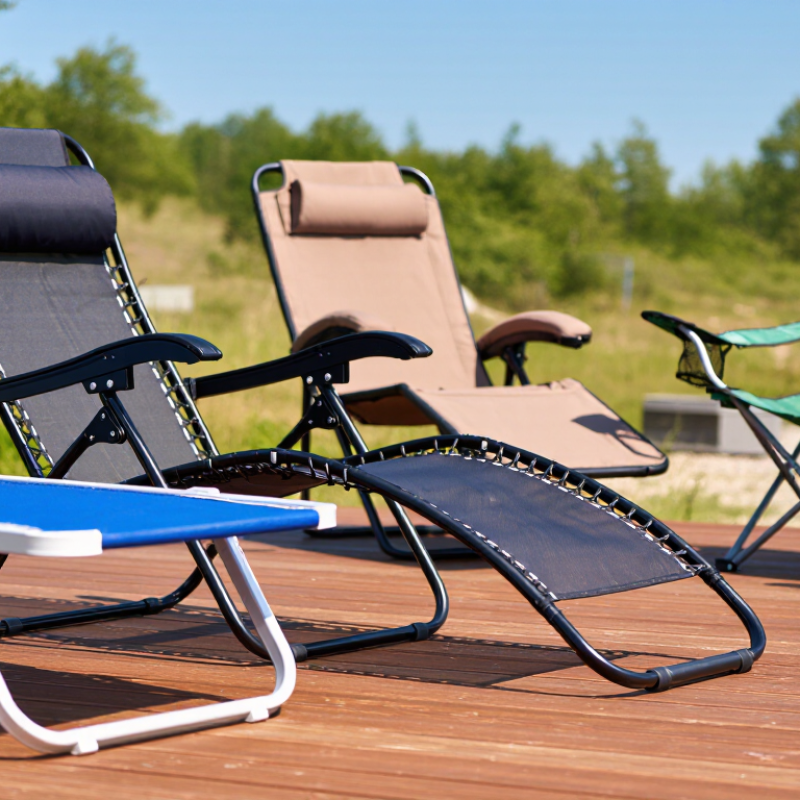
Common types include zero-gravity chairs, beach loungers, camping recliners, and padded adjustable models. Zero-gravity designs use a reclining frame that distributes support across the body; they are not medical devices. Beach versions often use lightweight frames and quick-drying fabric, while camping chairs may prioritize sturdier legs and compact packing. Check the frame material, fabric seams, hinge construction, locking mechanism, and stated weight capacity before choosing. Small details count. A loose lock or narrow foot can feel noticeable on uneven ground.
The right type depends on where the chair will be used and how often it must be carried. A heavy, cushioned model may suit a patio, yet feel awkward on a sandy walk. A lightweight lounger travels more easily but may offer less padding or stability. Product names can also be vague, so compare dimensions and features rather than relying on labels alone. Comfort is personal, and a chair that looks supportive in a photograph may not fit every body. The sections ahead explain the main designs, their practical differences, and what to inspect before buying.
Defining a Folding Lounge Chair
A folding lounge chair is a reclining seat with a frame designed to collapse for storage or transport. Unlike a standard folding chair, it usually supports a longer sitting position, with a backrest that tilts and a seat deep enough for relaxed lounging. Many models use fabric stretched across a metal frame, so the seat flexes slightly under weight. Others have adjustable legs or a separate footrest. The key feature is the combination of reclined support and a foldable structure—not a specific material or shape. Simple, but easy to misunderstand.
The market context helps explain its appeal. Grand View Research valued the global outdoor furniture market at 50.91 billion U.S. dollars in 2022 and forecast growth through 2030. This is a broad category, not a chair-specific figure, but it reflects demand for outdoor seating that can adapt to changing spaces. A folding lounge chair may suit a balcony, garden, or campsite, yet comfort depends on fit: seat depth, recline angle, and frame stability matter more than a long feature list. A chair that feels supportive for one person may press behind another person’s knees.
Tip: Before buying, unfold the chair on a level surface. Check that its locks engage, then sit back and test the recline. Notice whether the fabric sags or the frame shifts. Small details matter.
How Its Folding Frame and Reclining Mechanism Work
A folding lounge chair uses linked metal or wood sections that open into a stable seat and fold for storage. Its frame usually has crossbars and pivot joints, allowing the legs and backrest to move together. When opened, a latch, locking brace, or shaped joint helps keep the frame in position. Check that both sides are fully engaged before sitting. Listen for a firm click. If a joint feels loose, the chair may shift under weight.
The reclining mechanism controls the angle of the backrest. Some chairs use several notches along a side rail; the backrest hooks into a chosen notch and stays there. Others use a sliding support bar or pivoting brackets. To change positions, take pressure off the backrest, release the support, then move it gently. Keep fingers clear of the joints. Pinch points are easy to miss.
A slight wobble can come from uneven ground, a worn connector, or an incompletely opened frame. It is worth checking the chair on a flat surface and following its weight guidance. The adjustment may not feel perfectly smooth, especially on a new or older chair. That is not always a fault, but sudden slipping deserves attention.
Common Materials and Design Features
A folding lounge chair combines a hinged frame with a seat and back that fold for storage or transport. Its materials shape weight, comfort, weather resistance, and maintenance. Aluminum keeps frames relatively light and resists corrosion; steel often feels steadier, but needs a sound protective finish. The International Aluminium Institute reports that recycling aluminum uses roughly 5% of the energy required for primary production. That makes recycled content worth checking, though the chair’s overall footprint also depends on fabrication and transport.
Feel matters. Sling seats made from woven synthetic fabric dry quickly and let air pass through, while padded fabric feels softer but can hold moisture. Wood adds warmth under the hand, yet joints and finishes need care outdoors. The U.S. EPA’s 2018 Advancing Sustainable Materials Management report recorded 17.1 million tons of textile waste generated and 2.5 million tons recycled. Those figures cover U.S. textiles generally, not chair upholstery specifically, but they underline why repairable covers and replaceable fasteners can matter.
Look closely at the hinges, armrests, and locking braces. A secure brace should resist accidental folding without pinching fingers; rounded edges help during carrying. Small details count. Fabric tension should stay even, and feet should sit flat on the ground. One trade-off remains: lighter frames are easier to move, but may feel less planted on uneven ground. The best choice depends on where the chair will actually be used.
Major Types of Folding Lounge Chairs
Major Types of Folding Lounge Chairs
A classic beach lounge chair usually has a lightweight frame, a low seat, and a backrest with several positions. Its fabric dries quickly, while broad feet help reduce sinking on soft sand. These chairs suit sunny patios too, though their low height can make standing up awkward.
Zero-gravity folding chairs recline deeply and support the legs near heart level. Many use adjustable cords and a padded fabric sling, which spreads weight across the frame. The reclining angle can feel relaxing, but the chair is bulkier than a simple beach model. Check the locking joints before leaning back. That matters.
Camping lounge chairs often have taller seats, sturdier frames, and cup holders or side pockets. They work well beside a tent or fire pit, but added features can increase weight. Padded folding loungers offer more cushioning for balconies and indoor use, although thick fabric may take longer to dry. Some designs blend these categories, and product labels are not always consistent. I would compare seat height, folded size, fabric care, and the hinge mechanism rather than relying on the chair’s name alone. A chair that feels comfortable for ten minutes may feel different after an hour. Test the recline, if possible.
How Different Types Suit Various Uses
A folding lounge chair combines a collapsible frame with a reclined seat, making it easier to store or carry than a fixed lounger. The right type depends on where it will be used and how long someone will sit. A zero-gravity model suits patios or quiet campsites, where a broad frame and adjustable recline matter more than low weight. It can feel bulky on narrow paths. That matters outdoors.
Low beach chairs sit close to the ground, helping users stretch their legs and keep a low profile in breezy spots. Their short legs may be awkward on soft sand, though, and standing up can take effort. For car camping, a padded folding chair with a higher seat and armrests offers easier entry and more support around a fire. A compact sling-style chair is lighter for hiking, but usually trades padding for portability.
Use also depends on the trip. The Outdoor Foundation’s 2024 Outdoor Participation Trends Report estimated that 175.8 million Americans took part in outdoor recreation in 2023. That scale spans backyard lounging, beach days, and overnight camping, so one design cannot serve every setting equally well. Check the chair’s weight limit, folded size, fabric, and locking joints before buying; a recline mechanism is useful only if it stays stable on the surface beneath it. Small trade-off. A chair that feels comfortable in a shop may feel different after an hour outdoors.
What Is a Folding Lounge Chair and What Types Are There?
Typical maximum backrest recline by chair type, shown as an approximate angle from upright.
Recline figures are illustrative estimates, not universal specifications; designs vary by model. Compact folding loungers suit portable everyday seating, adjustable loungers offer flexible positions, zero-gravity chairs support a reclined resting posture, and folding chaise lounges are suited to near-flat sunbathing or relaxation.