How to Choose the Best Heavy Duty Transfer Cart for Your Needs?
Choosing the right Heavy Duty Transfer Cart can significantly impact operational efficiency. John Smith, an expert in industrial logistics, states, "The right equipment minimizes downtime and maximizes productivity." This insight underlines the importance of selecting an appropriate transfer cart tailored to specific needs.
When evaluating a Heavy Duty Transfer Cart, consider several critical factors. Load capacity is essential for ensuring safety and functionality. The cart must also fit your workspace dimensions. Additionally, think about the terrain it will navigate. Some carts perform better on uneven surfaces than others.
Furthermore, potential buyers should reflect on their long-term needs. Regularly reassess equipment to confirm it still meets your requirements. Think about future load variations or changes in your facility layout. The goal is always to invest wisely in a Heavy Duty Transfer Cart that serves you well over time.
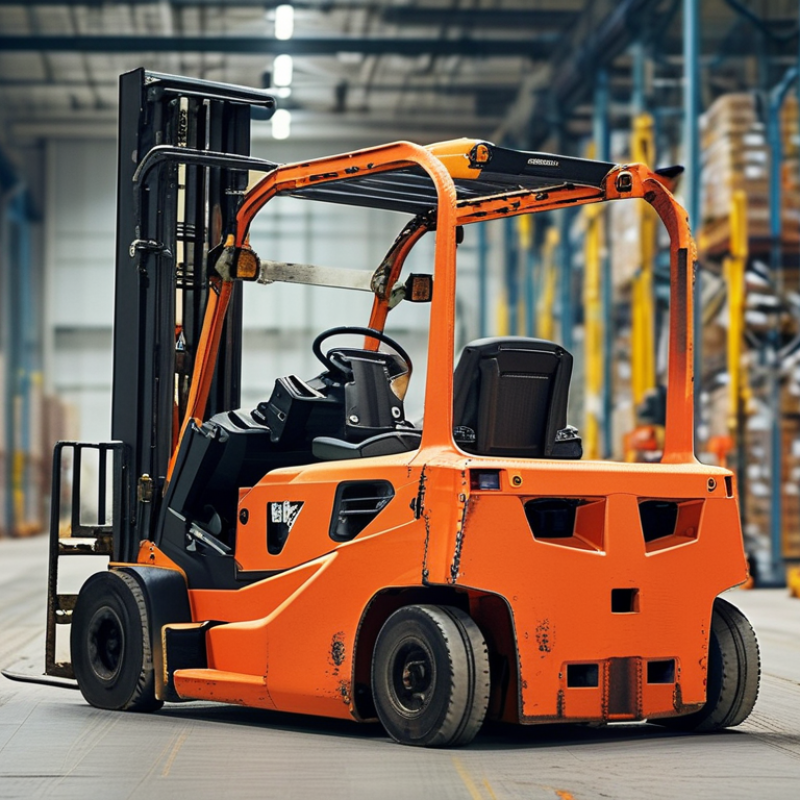
Understanding Your Load Requirements for Heavy Duty Transfer Carts
When choosing a heavy-duty transfer cart, understanding your load requirements is crucial. Begin by assessing the maximum weight and dimensions of the items you plan to transport. Heavy loads demand robust materials and structures. Knowing the specifics helps in selecting a cart that can withstand the stress and strain of regular use.
Consider the types of surfaces the cart will traverse. Different terrains require various wheel types and designs for optimal performance. A cart with solid rubber wheels may be ideal for smooth floors, while pneumatic wheels can provide better distribution for uneven surfaces. Think about the frequency of use as well; a durable design may offer longevity but can come at a higher initial cost.
It’s essential to match features with your operational needs. Take into account any necessary accessories, like safety features or customizable options. Reflecting on what you truly need can prevent overspending on unnecessary capabilities. Evaluating your loading needs and considering terrain will guide you toward a suitable choice that balances performance with cost-effectiveness.
Evaluating Power Sources: Battery vs. Electric vs. Manual Options
When selecting a heavy-duty transfer cart, understanding the power source is crucial. Three common options are battery-powered, electric, and manual. Battery-powered carts, for instance, offer flexibility and autonomy. They can operate without being tethered to a power source, making them ideal for large facilities. According to industry reports, about 40% of companies prefer battery-powered solutions for their operational efficiency.
Electric transfer carts are another popular option. They provide consistent power and can handle heavy loads efficiently. However, they need charging stations, which can limit mobility in certain environments. A study found that electric carts tend to have a 20% higher initial investment than manual ones. This may raise concerns about budget constraints for some businesses.
Manual transfer carts are cost-effective and simple to operate. They require no external power and can be used in any location. However, they depend on human effort, which might lead to fatigue and slower operation. Balancing efficiency with labor costs is essential. The choice ultimately depends on specific business needs, operational scope, and workforce capacity, highlighting the importance of a thorough evaluation before making a decision.
Assessing Material and Durability for Industrial Transfer Carts
When selecting a heavy-duty transfer cart, assessing material and durability is crucial. Industrial environments can be harsh. Carts often face heavy loads and rough terrain. Choosing the right materials greatly impacts their lifespan. Steel is a common choice for its strength. However, not all steel types are equal. It’s essential to evaluate the grades used in construction. High-carbon steel offers greater hardness but can be brittle. Balancing strength with flexibility is key.
Durability goes beyond materials. The design must withstand repeated use without failure. Look for reinforced structures that minimize wear. Wheels should be robust and resistant to deformation. Polyurethane wheels often provide a good balance between traction and longevity. Regular inspection of these components can prevent unexpected breakdowns. Even well-constructed carts require maintenance and attention to detail. A cart that excels today may not perform as well if neglected.
Consider the specific demands of your operation. Different applications require different features. For instance, an outdoor cart needs corrosion resistance. Understanding these nuances can lead to better decisions. Seeking advice from industry experts can provide valuable insights. There's always room for improvement in understanding what truly fits your needs. Quality comes from informed choices and practical experience.
Exploring Customization Features for Enhanced Functionality
When selecting a heavy-duty transfer cart, customization options can significantly enhance its functionality. Custom features allow businesses to tailor carts to their specific operational needs, thus improving efficiency. According to a recent industry report, about 70% of businesses indicate that customized solutions lead to increased productivity and reduced downtime. This is particularly important in industries like manufacturing and logistics, where precise handling is crucial.
One notable aspect of customization is load capacity. Different operations handle various weights, so selecting a cart that can be configured for specific loads is vital. Additionally, companies often require carts with specialized surfaces or safety features. For example, adding non-slip surfaces can reduce accidents in busy warehouses. Industry statistics show that carts equipped with enhanced safety features can decrease workplace injuries by nearly 30%.
Furthermore, the ability to personalize dimensions and designs can help optimize space utilization. In many cases, businesses report challenges with standard sizes. These challenges lead to inefficiencies during operations. Addressing this issue through tailored dimensions can yield significant benefits. Customization of transfer carts supports smoother workflows. It provides the flexibility necessary to meet changing demands and can ultimately lead to better overall performance.
Analyzing Cost vs. Performance: Budgeting for Your Transfer Cart Needs
When selecting a heavy-duty transfer cart, it’s essential to balance cost and performance. A recent industry report indicates that heavy-duty transfer carts range from $5,000 to $20,000, depending on capacity and features. Investing in a more durable cart often leads to lower long-term maintenance costs. For example, high-quality materials can reduce wear and tear.
Performance should not be overlooked. Carts with advanced safety features are typically more expensive. However, they can significantly decrease the risk of accidents. Approximately 25% of work-related injuries are caused by equipment failure. Thus, investing in reliability and durability can mitigate these risks, making a strong case for higher upfront costs.
Reflecting on your operational needs is crucial. Some businesses may require heavy-duty carts for occasional use while others need them daily. Understanding your specific needs can lead to better financial decisions. Monitoring total cost of ownership can provide valuable insights, as ongoing operational costs might exceed initial purchase costs.