Smart Heating Solutions
Choosing among the China Top 10 Plug In Heaters for Rooms is not simply a price comparison. Room size, insulation, wattage, thermostat accuracy, noise, and safety controls can change the result.
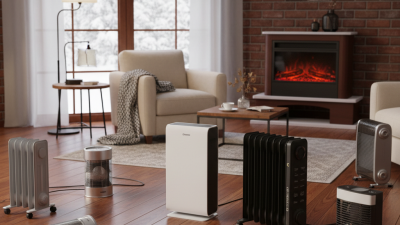
A compact plug in heater for room use may warm a study quickly. However, it may struggle in a poorly insulated bedroom with a cold window. Ceramic, infrared, and fan heaters also create different experiences. One feels immediate. Another feels gentler. Neither is automatically best.
Lorraine Carli, Vice President of Outreach and Advocacy at the National Fire Protection Association, emphasizes, “Keep anything that can burn at least three feet away from heating equipment.” That advice matters beside curtains, bedding, paper, and furniture. A heater with overheat protection, tip-over shutoff, a stable base, and a certified plug deserves closer attention. Users should also check the outlet condition and avoid overloaded extension connections.
This guide compares ten Chinese plug-in models through practical details, not attractive product claims alone. We examine heating performance, controls, portability, operating sound, energy use, and everyday reliability. Some models may look impressive in product photographs. Real rooms can be less forgiving.
The best choice depends on the room, climate, and user habits. That sounds obvious, but it is often ignored. A low-cost heater can become expensive when it runs constantly. A powerful model can feel uncomfortable in a small space. Our comparison aims to make those compromises visible, while recognizing that laboratory results cannot perfectly predict every home. Safety remains more important than rapid warmth.
Plug-in heaters are portable electric appliances that warm a room through a standard wall outlet. Most use resistance elements, which turn electrical energy directly into heat. The process is simple. Electricity flows through a high-resistance wire, the wire becomes hot, and a fan or natural airflow spreads warmth. The U.S. Department of Energy states that electric resistance heating converts nearly 100% of incoming electricity into heat at the point of use. One kilowatt-hour produces about 3,412 British thermal units.
Room size matters. A 1,500-watt heater uses 1.5 kilowatt-hours every hour at full power. At the U.S. Energy Information Administration’s reported average residential electricity price of about 16 cents per kilowatt-hour in 2023, that equals roughly 24 cents hourly. Actual costs vary by location and thermostat cycling. A small room may warm quickly, while drafts near windows can defeat the heater’s output. Curtains help, but blocked airflow creates uneven temperatures.
Plug-in heaters commonly include thermostats, timers, overheat protection, and tip-over switches. These features improve control, not energy efficiency. The International Energy Agency reported that heat pumps can use about 65% less electricity than resistance heaters for heating. That comparison deserves attention. Resistance heaters remain useful for temporary, localized warmth, but they can become expensive during long winter use. I would measure the room temperature, electricity rate, and operating time before choosing the highest-wattage model. My early assumption was that more heat always meant better comfort. It did not. Warm air near the heater can feel pleasant while the far wall remains cold.
Plug-in heaters convert electrical energy into heat. The chart compares representative rated power levels for common room-heater types; higher wattage generally provides more heating capacity but also uses more electricity.
Most portable room heaters operate at approximately 500–2,000 watts. Actual performance depends on room size, insulation, thermostat settings, outdoor temperature, and the local electrical voltage.
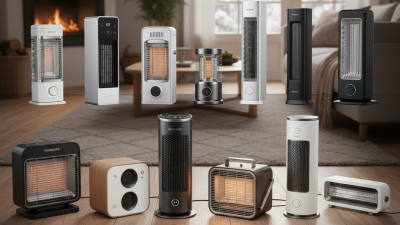
China’s plug-in room-heater market includes several designs for apartments, offices, and compact bedrooms. Fan-forced ceramic heaters warm air quickly through a PTC element. They fit beside a desk. Their airflow, however, may sound sharp at night.
Oil-filled radiators use sealed thermal fluid and metal fins. They heat slowly but provide steady warmth after reaching temperature.
Panel convection heaters operate quietly through natural air movement. This feels comfortable, although performance drops in drafty rooms.
Infrared and quartz heaters warm people and nearby surfaces directly. They suit a reading chair or a cold work corner. They do not heat an entire room evenly.
Small ceramic units are portable and simple to store. Their narrow airflow may leave cold corners. No type is perfect. The trade-off is easy to overlook.
For Chinese homes, match the heater with a 220-volt, 50-hertz supply and a suitable wall socket. Check the rated power, temperature control, overheat protection, and tip-over protection.
Required safety certification should be clearly marked on the product. Keep bedding, curtains, and clothing away from the grille. Avoid an extension cord unless its load rating is sufficient.
A 2,000-watt heater draws substantial power. Measure the room, insulation, and daily use before choosing; a powerful model can still feel wasteful in a poorly sealed space.
Comparing the top 10 plug-in heaters for rooms requires more than checking advertised wattage. Measure the room. A 1,500-watt heater can draw about 1.5 kilowatt-hours each hour at full power. Using the U.S. Energy Information Administration’s 2024 residential average of roughly 16 cents per kilowatt-hour, that equals about 24 cents hourly. Thermostat accuracy, cycling behavior, and insulation may change the real cost.
I compare each heater by heat distribution, control response, noise, cord length, and plug temperature. Ceramic, infrared, and oil-filled designs can feel different in a small bedroom. Infrared models may warm people quickly, while oil-filled units often provide steadier background heat. The U.S. Department of Energy notes that electric resistance heating converts nearly all incoming electricity into heat, so efficiency claims need careful interpretation. A lower wattage does not automatically mean lower bills if the unit runs continuously.
Safety deserves equal weight. The U.S. Consumer Product Safety Commission reports about 1,700 portable-heater fires annually in the United States. I check tip-over shutoff, overheat protection, clearance guidance, and whether the plug feels unusually warm.
Safety comes first. My scoring is not perfect. Comfort depends on humidity, furniture placement, and personal sensitivity to fan noise. A compact heater may win on price yet disappoint beside a cold window. That is why the best choice should match the room, not merely rank first.
The best plug-in heater is not the one with the highest wattage. It is the one that balances heat, control, safety, and electricity use. A precise thermostat matters because it prevents constant heating after the room feels comfortable. Look for adjustable temperature settings, automatic cycling, and a clear display. A timer can reduce overnight operation, although users may still forget to set it.
Safety features deserve closer attention. The U.S. Consumer Product Safety Commission reported about 1,700 portable-heater fires annually from 2017 to 2019. These incidents caused approximately 70 deaths and 160 injuries. Tip-over shutoff and overheat protection are essential responses to these risks. A heater should also carry certification from a recognized safety laboratory. Keep its grille clear. Never place it beside curtains, bedding, or a crowded power strip.
Electricity demand is easy to underestimate. A 1,500-watt heater draws about 12.5 amps on a 120-volt circuit. That may leave little capacity for other appliances. The International Energy Agency notes that heating efficiency depends heavily on system design and operating conditions. Room size, insulation, ceiling height, and outdoor temperature all change performance. A quiet model may feel better in a bedroom, but low noise does not prove lower energy use. My own buying rule would be simple: measure actual power, check thermostat behavior, and question attractive claims. No heater is careless-proof.
| Rank | Heater Type | Typical Rated Power | Approx. Room Use | Temperature Control | Safety Features | Timer / Modes | Noise Level | Energy and Usability Highlights | Best For |
|---|---|---|---|---|---|---|---|---|---|
| 1 | Compact Ceramic Fan Heater | 1,500 W maximum; lower heat settings commonly available | Small to medium rooms, approximately 10–20 m² | Adjustable thermostat with high, low and fan-only settings | Overheat protection Tip-over shutoff Cool-touch housing | 1–8 hour timer; heating and fan modes | Low to moderate; fan noise is audible | Fast warm-up, compact footprint and effective heat distribution through forced air | Fast personal heating and bedrooms or home offices |
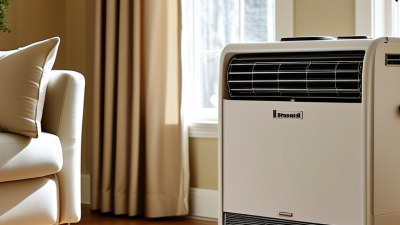
| 2 | Wall-Plug Ceramic Heater | 400–500 W | Personal heating in spaces up to approximately 8–12 m² | Digital thermostat, commonly adjustable within a broad comfort range | Overheat protection Thermal fuse | Programmable timer; low-power heating mode | Low to moderate fan noise | Plugs directly into a wall outlet, uses little power and leaves floor space clear | Desk areas, dormitories and small personal zones |
| 3 | Oil-Filled Radiator | 1,000–1,500 W | Small to medium rooms, approximately 10–20 m² | Mechanical or electronic thermostat with multiple heat settings | Overheat protection Tip-over switch Thermal cutoff | 1–24 hour timer on electronic versions; silent radiant operation | Nearly silent after the initial heating cycle | Provides steady heat and retains warmth after the heating element cycles off; slower warm-up | Quiet bedrooms, nurseries and extended heating periods |
| 4 | Infrared Quartz Heater | 800–1,500 W | Personal heating or small rooms, approximately 8–16 m² | Power-based heat settings; some versions include a thermostat | Tip-over shutoff Overheat protection Safety grille | Commonly includes two heat levels; timer depends on configuration | Silent because it normally has no fan | Directly warms people and nearby surfaces; comfort depends strongly on line of sight and placement | Spot heating, seating areas and drafty personal spaces |
| 5 | PTC Ceramic Panel Heater | 500–1,500 W | Small to medium rooms, approximately 10–18 m² | Electronic thermostat with digital temperature display on many versions | Overheat protection Tip-over shutoff Child lock on selected models | Daily or weekly scheduling on advanced versions; eco mode may be available | Low fan noise when forced-air circulation is used | Self-regulating PTC heating elements can reduce overheating risk and deliver stable heat output | Modern interiors, controlled comfort and wall or floor placement |
| 6 | Convector Panel Heater | 1,000–2,000 W | Medium rooms, approximately 12–22 m² | Adjustable thermostat with low, medium and high settings | Overheat protection Thermal cutoff Tip-over protection on portable units | Timer and frost-protection mode on electronic versions | Silent operation with natural convection | Even background heating with no fan; requires more time to warm a cold room | Quiet living rooms and continuous low-noise heating |
| 7 | Oscillating Ceramic Tower Heater | 1,500–2,000 W | Medium rooms, approximately 12–22 m² | Electronic thermostat, multiple heat levels and fan-only mode | Tip-over shutoff Overheat protection Safety grille | 1–12 hour timer; oscillation for wider air distribution | Moderate fan noise | Vertical design saves floor space and spreads warm air across a wider area | Shared rooms requiring wider heat circulation |
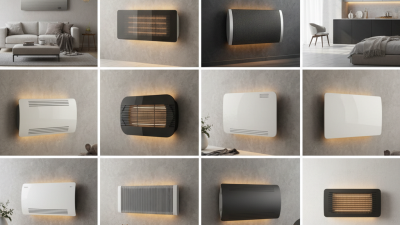
| 8 | Bathroom-Rated Wall-Mounted Heater | 1,000–2,000 W | Small bathrooms or utility rooms, approximately 6–12 m² | Adjustable thermostat; some versions include a humidity-resistant control panel | Overheat protection Wall mounting Moisture-resistant design where certified | Short countdown timer or programmable operation, depending on configuration | Low to moderate fan noise | Wall installation keeps the heater away from wet floors; only use products with appropriate electrical certification | Short heating cycles in properly ventilated bathroom areas |
| 9 | Low-Watt Personal Desk Heater | 200–500 W | Individual workstations and areas up to approximately 6–10 m² | Two or three heat settings; thermostat may be basic or absent | Overheat protection Tip-over shutoff on selected versions | Short automatic shutoff timer on many compact units | Low to moderate, depending on fan design | Lower electrical load than full-size heaters, but generally unsuitable for heating an entire room | Hands, feet and individual work areas |
| 10 | Smart Ceramic Heater | 1,000–1,500 W | Small to medium rooms, approximately 10–20 m² | Digital thermostat with remote or app control on compatible versions | Overheat protection Tip-over shutoff Child lock | Scheduling, eco mode, remote control and voice-platform compatibility may be available | Low to moderate fan noise | Convenient automation and temperature scheduling; connected functions may require a stable Wi-Fi network | Users who prioritize remote control and automated heating routines |
A plug-in heater can warm a small room quickly, but safe placement matters more than maximum heat. Choose a unit with temperature control, overheat protection, and a tip-over shutoff. Check its safety certification and read the instruction manual before use. Place it on a firm, level floor, at least one metre from curtains, bedding, furniture, and paper. Never cover the heater. Keep children, pets, and wet hands away from it.
Plug the heater directly into a suitable wall outlet. Avoid extension leads, power strips, and loose sockets, because they may overheat under continuous load. Inspect the cord before every use. Stop immediately if the plug feels hot, the outlet smells burnt, or the heater makes unusual sounds. Keep the air inlet clear of dust. A quick clean can improve airflow and reduce strain.
Use the thermostat instead of leaving the heater on its highest setting. Close doors and windows, but keep normal ventilation where needed. Heating one occupied room is usually more efficient than warming an empty home. I used to place a heater near my desk for comfort, then noticed the cable became a trip hazard. That small mistake changed my setup. Turn the unit off when leaving the room or going to sleep, unless the manual clearly permits a monitored setting. Safety labels are useful, but they cannot replace attention.