Best Garage Heater Options for Efficient Heating Solutions?
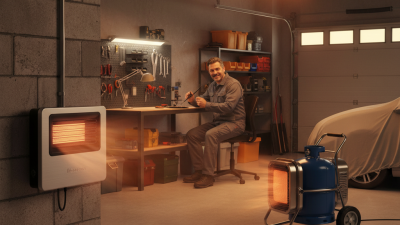
When winter arrives, a garage heater becomes essential for maintaining a comfortable workspace. Many homeowners overlook their garages, but these spaces need proper heating too. Frigid temperatures can lead to frozen pipes, damaged tools, and uncomfortable environments. A reliable garage heater transforms the space into a usable area year-round.
Selecting the right garage heater may seem daunting. There are various options on the market, each with unique benefits. Electric heaters are often favored for their convenience and ease of use. Meanwhile, gas heaters can provide powerful heating but may require additional installation considerations. Each type has its advantages and challenges, leading to a crucial choice for homeowners.
Investing in a quality garage heater improves not only comfort but also safety. It can protect your tools and vehicles from harsh weather. However, it is important to keep in mind that safety precautions must be observed. Some heaters require ventilation, while others can pose fire risks. Ensuring you choose the right heater involves careful consideration and understanding of your specific needs.

Understanding the Importance of Heating a Garage Space
Heating a garage is often overlooked, but it's crucial for comfort and functionality. A cold garage can make it hard to work on projects or store items properly. Adequate heating helps protect tools, vehicles, and other equipment from freezing temperatures. It also provides a reliable workspace for hobbies and DIY projects throughout the year.
Choosing the right heating solution can be challenging. Different types of heaters offer various benefits and drawbacks. For instance, infrared heaters warm objects directly, creating cozy spaces quickly. However, they may not heat the air as effectively as convection heaters. Some garages may require more focused heating solutions depending on usage patterns. Reflecting on your specific needs is essential when making a choice.
Understanding insulation is vital when heating a garage. Poor insulation leads to wasted energy and higher heating bills. You might feel tempted to skip insulation, thinking it's unnecessary. However, a well-insulated garage can retain heat and lower energy costs. Consider how you plan to use the space. This will guide you in selecting an efficient heating option that meets your unique requirements.
Best Garage Heater Options Comparison
This chart illustrates the heating efficiency in BTUs per hour for various types of garage heaters, highlighting the importance of choosing an efficient heating solution for your garage space.
Types of Garage Heaters: Electric, Gas, and Infrared Options
When choosing a garage heater, it's essential to understand the different types available. Electric heaters are popular for their efficiency and ease of use. They plug into standard outlets and can quickly warm up a space. Ideal for small to medium garages, they usually come with adjustable thermostats. However, electric models might not be powerful enough for larger areas.
Gas heaters are another option, offering rapid heating through propane or natural gas. They provide a substantial amount of heat, making them suitable for extensive garage spaces. These models require proper ventilation and can be more complex to install. Users often overlook safety measures, which is crucial when using gas heaters.
Infrared heaters operate differently by warming objects directly rather than the air. This feature makes them energy-efficient and effective for garages where heat retention is key. Infrared heaters offer instant warmth and can be positioned strategically. Yet, their effectiveness may fade in poorly insulated spaces. Each type has its pros and cons, and choosing the right one requires considering the specific needs of your garage.
Key Features to Consider When Choosing a Garage Heater
When selecting a garage heater, several key features should guide your decision. One crucial aspect is the heater's power output. Look for units that match your garage size. A small heater may struggle in a large space, while an oversized heater could lead to inefficient energy use. Many recommend assessing the BTU (British Thermal Units) rating to determine the right fit for your needs.
Another important feature is the type of heater. Some operate on electricity, while others use gas. Electric heaters often offer portability. Gas heaters provide more power and can heat faster. Each option has pros and cons. Assessing your specific environment, such as insulation and ventilation, can help refine your choice. Safety features are also paramount. Look for heaters with automatic shut-off or tip-over protection to prevent accidents.
Additionally, consider the noise level of the heater. Some units are quieter, which may be preferable in residential settings. An efficient garage heater should not just warm your space but do so quietly and safely. User reviews are integral for gauging effectiveness. Real experiences can reveal strengths and weaknesses that specs alone may not convey. Every detail matters in finding a reliable and efficient heating solution.
Best Garage Heater Options for Efficient Heating Solutions
| Heater Type |
Heating Capacity (BTU) |
Fuel Type |
Energy Efficiency |
Price Range |
| Electric Heater |
5,000 - 15,000 |
Electric |
High |
$100 - $300 |
| Propane Heater |
20,000 - 50,000 |
Propane |
Medium |
$150 - $400 |
| Infrared Heater |
5,000 - 10,000 |
Electric |
Very High |
$200 - $600 |
| Natural Gas Heater |
30,000 - 80,000 |
Natural Gas |
High |
$250 - $700 |
| Oil-Filled Heater |
1,500 - 2,500 |
Electric |
High |
$75 - $200 |
Energy Efficiency Ratings and Their Impact on Heating Costs
Energy efficiency ratings are crucial when selecting a garage heater. These ratings indicate how effectively a heater converts energy into heat. The higher the rating, the lower your heating costs will be over time. According to the U.S. Department of Energy, an efficient garage heater can lead to savings of up to 30% on energy bills. This data highlights the importance of considering energy efficiency.
Many consumers overlook the impact of energy ratings. A less efficient heater may have a lower initial purchase price but can result in higher monthly expenses. A study by the American Council for an Energy-Efficient Economy found that homeowners often underestimate heating costs. The report suggests that investing in higher-rated heating options can significantly reduce expenses in the long term.
Choosing a garage heater with a solid energy efficiency rating requires research and comparison. It can be tempting to select based on price alone, but this can lead to regret. Lower-rated models often fail to heat spaces effectively, leading to wasted energy and increased costs. Balancing initial costs with potential long-term savings is essential. Every decision carries weight, and energy efficiency should not be taken lightly.
Safety Tips for Using Garage Heaters Effectively
When using garage heaters, safety should be your top priority. Ensure the area is well-ventilated. A poorly ventilated garage can trap harmful gases. Always check the heater’s placement. Keep it away from flammable materials like gasoline or wood. This lessens the risk of fires.
Regular maintenance plays a key role in safety. Dust and debris can accumulate, which may lead to heating inefficiencies. Check the heater for any signs of wear. Inspect cords and connections for frays or damage. If something seems off, seeking a professional for service is wise.
Additionally, consider using a thermostat. Overheating can pose risks, especially if you forget to turn the heater off. Set a timer for shorter intervals if you tend to lose track of time. Using a heater safely ensures not only comfort but also peace of mind as you work in your garage.