Smart Heating Solutions
Buying a Throttle Pedal Sensor is not simply a matter of matching a plug and choosing the lowest price. This component translates pedal movement into an electronic signal for the engine control module. A weak signal can create hesitation, warning lights, reduced power, or an unsafe-feeling response. Small errors matter.
James D. Halderman, a respected automotive educator and diagnostic author, often reinforces a practical rule: “Test before you replace.” That principle fits every Throttle Pedal Sensor purchase. Confirm the vehicle’s year, engine, connector design, voltage range, and sensor configuration. Some systems use dual signal tracks for safety monitoring. Others require calibration after installation. A sensor may look identical yet produce the wrong output curve. That is the trap.
These seven tips focus on evidence rather than attractive packaging. They explain how to read product specifications, compare original-equipment and aftermarket options, inspect terminal quality, and verify seller reliability. They also address symptoms that can mislead buyers. A dirty connector, damaged wiring, or weak reference voltage may imitate sensor failure. Replacing the part alone may not solve anything.
The process is not perfect. Catalog data can contain errors, and online photographs may hide critical differences. Therefore, use the vehicle service manual, confirm the part number, and request technical support when details conflict. A reliable purchase should fit mechanically, communicate accurately, and survive daily vibration, heat, and moisture. Safety deserves more than a quick checkout.
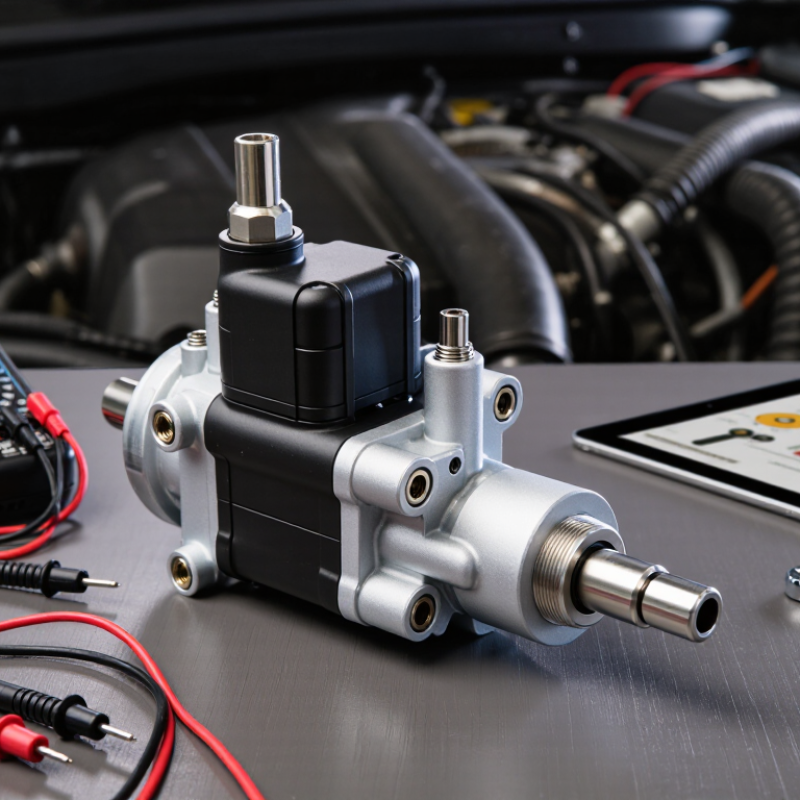
Understand the throttle pedal sensor’s function before comparing prices. It converts pedal movement into an electrical signal for the engine control unit. Most modern designs use dual signal tracks. The controller compares both signals to detect disagreement. Check the connector, mounting points, voltage range, and signal pattern. A sensor may fit physically but still send the wrong response.
Look for smooth output across the full pedal sweep. Dead spots, sudden voltage jumps, or delayed return indicate poor design or wear. Review the manufacturer’s testing information for temperature, vibration, moisture, and cycle durability.
ISO 26262 guidance treats sensor plausibility as an important functional-safety concern. A 2024 automotive sensors market report also identifies electrification and electronic control growth as major demand drivers. That trend makes signal quality more important, not less.
Confirm the seven practical details: vehicle compatibility, connector shape, dual-channel output, housing strength, pedal clearance, diagnostic support, and warranty terms. A 2023 technical study published through SAE literature notes that redundant pedal signals help identify implausible driver input. Do not trust appearance alone. Measure resistance only when the service procedure allows it. Some sensors require live voltage testing. I once underestimated connector tension; the sensor looked perfect, yet intermittent contact caused hesitation. That mistake still deserves attention. Check the installation area for water, dust, and bent terminals before buying.
Match the sensor to your vehicle’s exact specifications. In workshop checks, a sensor can fit physically yet fail electronically.
Tip 1: Record the vehicle identification number, model year, engine code, transmission, and connector shape.
Tip 2: Compare the original sensor’s voltage range and mounting points. A matching plug is not enough.
The U.S. EPA’s 2024 Automotive Trends Report lists average real-world fuel economy for 2022 vehicles at about 26.4 miles per gallon. That figure reflects increasingly complex powertrain controls. Small pedal-signal errors can affect throttle response, warning lights, or diagnostic readiness.
Tip 3: Check whether the vehicle uses dual-channel position sensing.
Tip 4: Confirm the replacement follows the required signal direction and resistance values.
Tip 5: Use SAE J1979-2 diagnostic data when checking compatible fault codes.
Tip 6: Choose a sensor supported by a traceable test report. Look for temperature cycling, vibration, and connector durability results.
Tip 7: Confirm calibration requirements before installation. Some systems need a scan-tool relearn procedure. Others may relearn after controlled ignition cycles. Do not guess.
One detail is easy to miss. The accelerator pedal is not the throttle body. Their signals and specifications differ. A parts catalogue can also contain errors.
Recheck the service manual, wiring diagram, and measured reference voltage. Use a calibrated multimeter. Five minutes of testing can prevent a costly return.
A throttle pedal sensor deserves more scrutiny than its small size suggests. It converts pedal movement into an electrical signal, so poor accuracy can affect drivability and safety. Examine the housing, connector pins, sealing, and mounting points for precise construction. A loose connector or weak plastic tab may fail after repeated vibration.
Compatibility requires more than matching a vehicle description. Compare the original sensor’s connector shape, pin layout, voltage range, pedal geometry, and mounting position. Check whether the replacement supports the required signal channels. Some systems use dual outputs for monitoring. The readings should rise smoothly during a slow pedal press, without sudden jumps or dead spots. A multimeter or scan tool can help, but professional calibration may still be necessary.
Warranty terms reveal how confidently a supplier stands behind its product. Look for clear coverage periods, testing requirements, return conditions, and support for installation questions. Keep the invoice and record the sensor’s serial details. I once trusted a “direct fit” listing and overlooked a slightly different connector angle. It installed, but the cable sat under strain. That mistake changed my checklist. I now compare photos, technical data, and the original part before ordering. Cheap pricing can be attractive, yet inconsistent signal output creates greater costs later. Choose documented quality, verified compatibility, and warranty language you can actually understand.
Check the connector shape, mounting holes, pedal position, and sensor output range. A sensor may look identical but use a different pin layout. Measure the available clearance near the pedal bracket. Even a few millimeters can affect installation. The vehicle service manual remains the most reliable reference.
Some sensors need a scan tool relearn after installation. Others require an ignition-cycle procedure with no pedal movement. Confirm this before purchase. During calibration, the pedal must usually remain fully released. Watch the live data for a smooth voltage change from rest to full travel. Sudden jumps suggest a poor connection, incorrect alignment, or a defective unit. Do not guess.
Look for stretched insulation, bent terminals, moisture, or loose ground points. A new sensor cannot repair damaged circuits. Use a multimeter only with the correct testing method. Never force the connector into place. After installation, check pedal movement with the engine off, then verify fault codes and response carefully.
From practical troubleshooting, installation problems often appear as calibration failures. I once focused too quickly on the sensor and overlooked a weak terminal. That mistake added unnecessary work. Allow the pedal to return naturally, and avoid resting tools against it during testing. Record the original readings when possible. They may reveal whether the replacement truly improved the signal.
7 Tips for Buying a Throttle Pedal Sensor
Verify performance before trusting a throttle pedal sensor. Check its exact vehicle fit, connector shape, mounting points, and electrical specifications. A correct-looking part can still send an unstable signal. During inspection, move the pedal slowly and watch for smooth voltage changes without sudden drops. Test it cold and after warm-up. Small delays matter.
Safety deserves more than a quick visual check. Choose a sensor with dependable signal redundancy and clear calibration instructions. Inspect the connector seal, wire insulation, and strain relief. Moisture often enters through neglected gaps. It causes trouble later. Ask for test data, quality-control records, and traceable production information. These details show whether the seller understands the component.
Long-term reliability depends on materials and real operating conditions. Look for resistance to vibration, heat, dust, and repeated pedal cycles. A sturdy housing helps, but it does not prove everything. I once accepted a smooth bench test too quickly, and the sensor later became erratic after heat exposure. That shortcut was wrong. Review the return policy, service support, and expected service life before buying. Keep the old sensor for comparison, and record readings during installation. Careful notes can reveal a slow fault that a single test misses.
Use this normalized verification checklist to compare throttle pedal sensors without relying on brand names. A higher score indicates a more complete and reliable evaluation before purchase.