10 Essential Tips for Choosing the Best Room Heaters for Your Home?
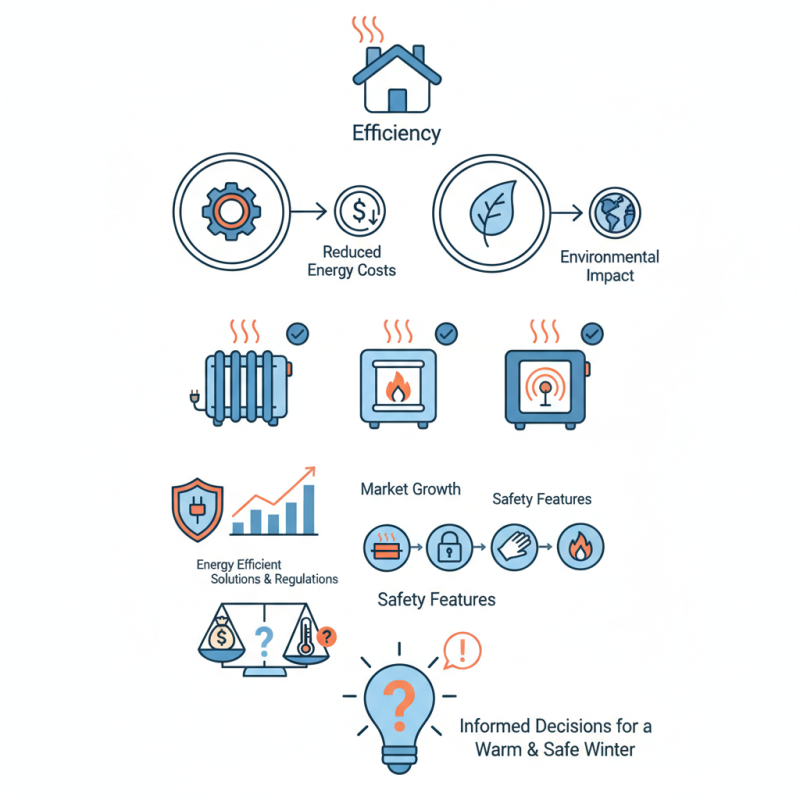
As the colder months approach, choosing the right room heaters becomes essential for comfort and efficiency. According to the U.S. Department of Energy, heating accounts for nearly 50% of the average home's energy consumption. This highlights the importance of selecting efficient room heaters that can minimize both energy costs and environmental impact. Various types of room heaters are available, including electric, gas, and infrared models, each with unique benefits.
The market for room heaters is expected to grow significantly, driven by advancements in technology and increasing energy efficiency demands. Recent reports indicate a shift towards energy-efficient heating solutions, with products that meet stringent regulations set by governing bodies. However, the plethora of options can make the selection process daunting. Many consumers face challenges in evaluating which features matter most. Room heaters must balance cost, efficiency, and usability to meet individual needs and preferences.
In exploring the process of selecting the best room heaters, it is crucial to understand not only their performance but also their safety features. Many heaters come with built-in safety shut-offs, yet accidents can still occur if users are unaware. Prioritizing the right information and guidance can lead to more informed decisions, ensuring a warm and safe environment throughout the winter months.
Understanding Different Types of Room Heaters: Pros and Cons
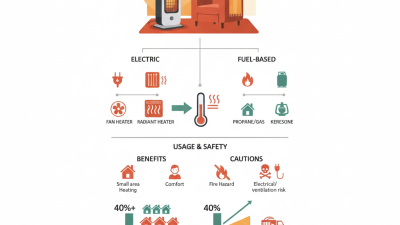
When choosing a room heater, it's vital to understand the various types available. Electric heaters are popular for their convenience. They heat quickly but may increase electricity bills. Gas heaters offer efficient heating and are often cheaper to run. However, they require proper ventilation, which can limit placement options.
Radiant heaters warm objects directly, providing instant warmth. They’re ideal for small spaces but can be less effective in larger rooms. Convection heaters are great for maintaining consistent room temperatures. Yet, they take longer to heat a space. Each type has its benefits and potential drawbacks.
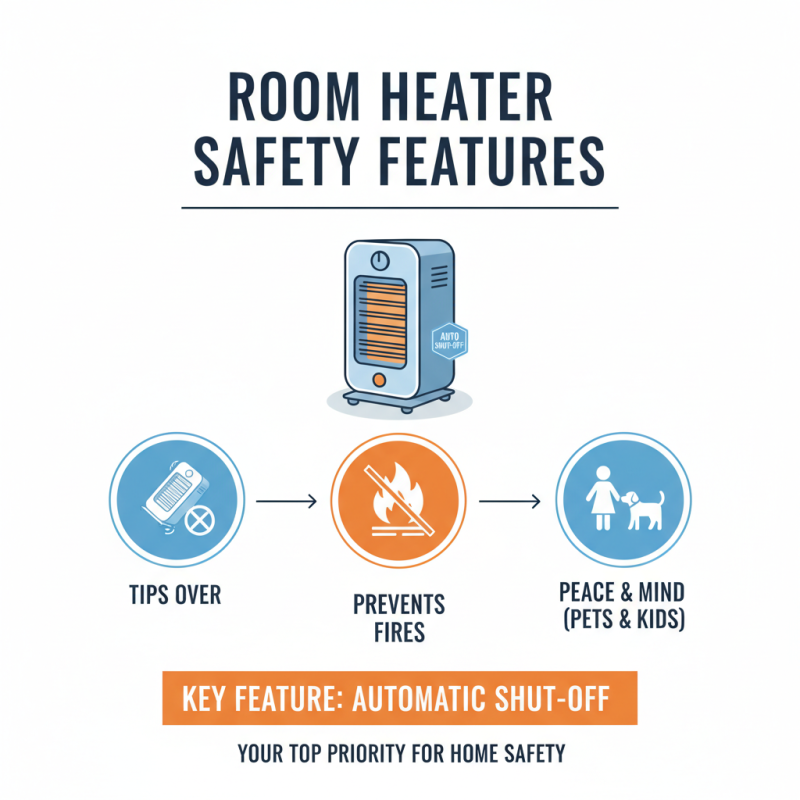
Consider these tips when selecting a heater: think about room size and insulation. A heater too powerful can waste energy. Safety features are crucial. Look for automatic shut-off and tip-over protection. Finally, assess your budget. A higher initial cost may mean lower operating costs. Prioritize what matters most for your home.
10 Essential Tips for Choosing the Best Room Heaters for Your Home
This chart displays the average heating efficiency of various types of room heaters measured in kilowatts per hour (kW/hr). Electric heaters tend to have the highest efficiency, while oil heaters have a lower efficiency compared to others. Understanding these differences can help you make an informed choice when selecting a heater for your home.
Energy Efficiency Ratings: What You Need to Know When Choosing a Heater
When choosing a room heater, energy efficiency ratings are crucial. They reveal how much energy a heater uses for heating. Understanding these ratings helps you select an efficient model. Look for heaters with a higher Energy Star rating. A higher rating means more warmth for less energy consumed. This translates to lower utility bills over time.
Several types of heaters include oil-filled, ceramic, and infrared. Each type has its energy efficiency specifications. Oil-filled heaters hold heat longer but may take more time to heat a room. In contrast, ceramic heaters provide immediate warmth but can consume more energy. Knowing your space can help in choosing wisely.
Consider the size of the room. A small space doesn’t need a high-capacity heater. It can lead to wasted energy and higher costs. Sometimes, a lower-rated, smaller heater is sufficient. Also, reflect on your heating habits. Do you use the heater for long or short periods? This factor impacts which model will be the most cost-effective.
10 Essential Tips for Choosing the Best Room Heaters for Your Home
| Heater Type |
Energy Efficiency Rating (EER) |
Heating Capacity (BTU/h) |
Operating Cost ($/month) |
Noise Level (dB) |
| Convection Heater |
8.0 |
5,000 |
$30 |
45 |
| Radiant Heater |
7.5 |
4,500 |
$35 |
50 |
| Micathermic Heater |
9.0 |
6,000 |
$28 |
40 |
| Fan-forced Heater |
8.5 |
7,000 |
$32 |
55 |
| Oil-filled Radiator |
8.2 |
3,000 |
$40 |
30 |
Room Size and Heater Output: Calculating the Right BTU Requirement
When selecting a room heater, understanding the output required for your space is crucial. BTU, or British Thermal Units, quantifies heat output. To determine the right BTU requirement, first assess your room size. Measure the length and width of your room in feet. Multiply these numbers to find the square footage. For example, a 12x12 room equals 144 square feet.
Next, consider ceiling height and insulation quality. Higher ceilings may require additional heating. Poor insulation leads to heat loss, increasing the needed BTUs. As a rough estimate, a well-insulated room typically needs about 30-40 BTUs per square foot. However, this can vary based on local climate and usage patterns.
You might find your calculations aren't perfect on the first try. It’s common to overlook factors like drafty windows or doorways. These details can change the heating requirements significantly. Reflecting on your specific situation will lead to more accurate results. Ultimately, understanding your space will help you choose the right heating solution, contributing to a more comfortable home.
Cost Analysis: Comparing Initial Investment and Long-term Energy Costs
When choosing a room heater, cost analysis is critical. Understanding initial investment and long-term energy costs helps homeowners make informed decisions. The average initial cost for electric heaters ranges from $30 to $500, while gas models can start around $100 and exceed $1,000. These figures can vary significantly based on features and efficiency ratings.
Energy efficiency is crucial for long-term savings. According to the U.S. Department of Energy, a high-efficiency heater can save around 20% on energy bills compared to standard models. For example, a typical electric heater consumes about 1,500 watts per hour. If used for five hours daily, this could lead to a monthly cost of up to $45, based on average energy rates. In contrast, a more efficient model may only cost around $36 monthly.
Some heaters may seem affordable at first but can lead to higher energy costs. Inspecting the Energy Star rating helps gauge efficiency. Longer usage of less efficient models might outweigh any savings from a lower initial price. Customers should weigh these factors carefully, considering their habits and environment before making a final decision.